


A serious crash at a busy intersection can leave you hurt, shaken, and unsure where to turn next. When another driver’s mistake causes harm at a crossing in Kokomo, Indiana, working with a Kokomo intersection car accident lawyer helps protect your interests while you focus on healing and your family.
Vaughan & Vaughan offers guidance, steady support, and a clear plan for pursuing accountability after an intersection collision. Contact us for a free consultation to ask questions and learn what steps make sense for your situation.
Key Takeaways: Kokomo Intersection Car Accidents
- Intersections combine traffic flow, signals, and driver decisions, which raises the risk of serious crashes.
- Indiana right-of-way and comparative fault laws shape how responsibility gets assigned after a collision.
- Strong claims rely on timely evidence such as police reports, witness accounts, and video footage.
- Losses after an intersection crash often include medical costs, missed income, and lasting pain.
- Acting promptly helps preserve proof and keeps claims within Indiana’s filing deadlines.
Your Case Will Get
The Attention It Deserves

Why Are Kokomo Intersections Dangerous for Drivers?
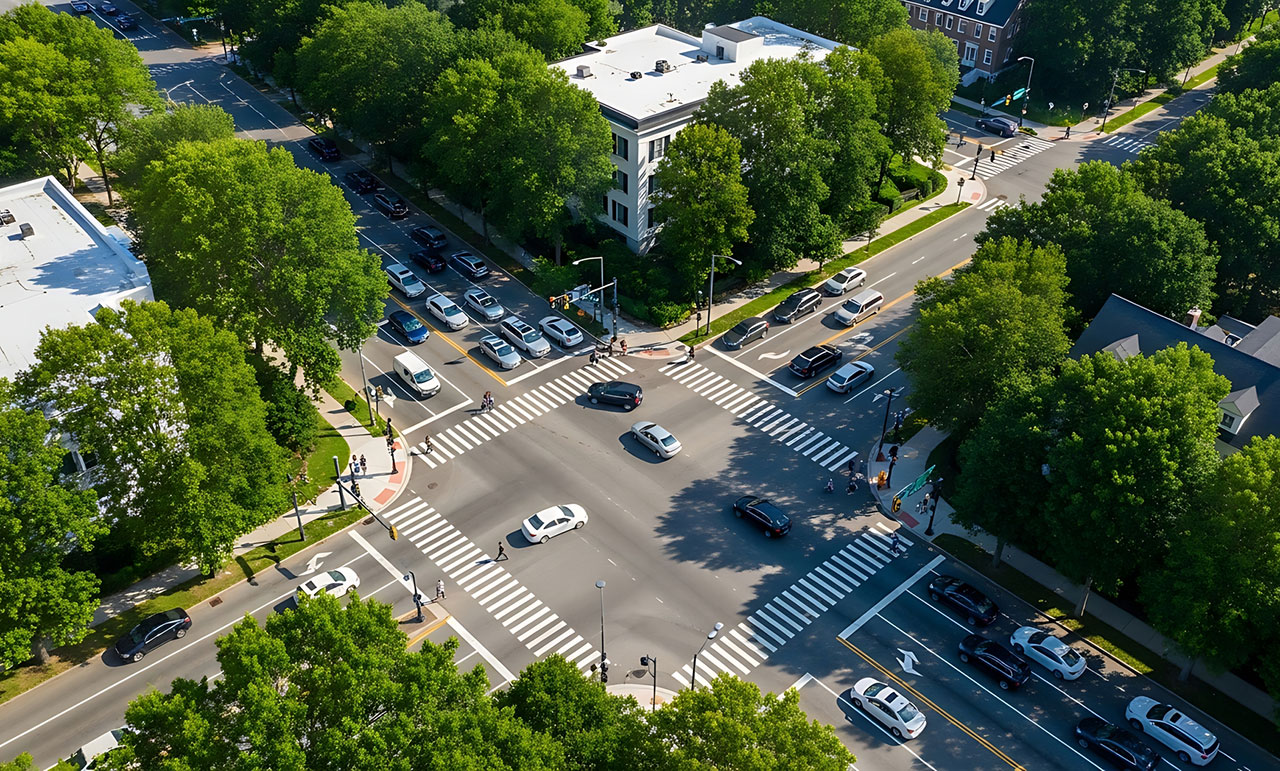
Intersections force drivers to judge speed, distance, and signals within seconds. Even small mistakes can lead to violent impacts, especially when traffic moves through from multiple directions. In Kokomo, several crossings carry heavier volumes that raise the stakes for everyone sharing the road.
High-Traffic Areas in Kokomo
Drivers often report congestion near the intersection of South Washington Street and West Markland Avenue, where shopping traffic mixes with commuters. Elsewhere, the crossing at North Dixon Road and East Boulevard sees steady movement tied to nearby neighborhoods. Each location presents unique timing and visibility issues that increase crash risk.
Common Types of Intersection Accidents
Angle crashes, often called T-bone collisions, occur when one vehicle strikes the side of another after a missed signal or failure to yield. Rear-end crashes also happen when traffic stops suddenly at lights. Head-on collisions sometimes result from improper left turns across oncoming lanes.
Contributing Factors to Intersection Collisions
Several factors raise danger at crossings:
- Speed misjudgment: Drivers underestimate how fast another vehicle approaches.
- Signal confusion: Yellow lights and turn arrows create split-second decisions.
- Blocked sightlines: Large vehicles, signs, or weather reduce visibility.

There is no fee
unless you win
What Are the Most Common Causes of Intersection Accidents in Kokomo?
While each crash tells its own story, patterns appear again and again in intersection wrecks. Understanding these causes helps explain how fault often develops.
Failure to Yield Right-of-Way Under Indiana Law
Indiana law requires drivers to yield when signs, signals, or traffic patterns demand it. Many crashes stem from a driver pushing through when another vehicle already holds the right to proceed. These mistakes often occur at four-way stops and during left turns.
Running Red Lights and Stop Signs
Some drivers try to beat changing lights or roll through stop signs. At crossings like the intersection of East Sycamore Street and North Apperson Way, a single red-light violation can place several drivers in harm’s path at once.
Distracted Driving at Intersections
Phones, dashboards, and even conversations draw eyes away from the road. At intersections, distraction shortens reaction time when lights change or pedestrians enter the crosswalk.
Left-Turn Accidents
Left turns require drivers to judge gaps in traffic accurately. A miscalculation can place a turning vehicle directly in front of oncoming traffic, leading to severe side-impact crashes.



How Does Indiana Law Determine Fault in Intersection Accidents?
Indiana uses specific rules to assign responsibility after a crash. These laws shape whether and how an injured person can pursue payment for losses.
Indiana’s Comparative Fault Rule (IC 34-51-2-5)
Indiana follows a modified comparative fault system. This rule reduces recovery when an injured person shares some blame. When a driver’s share of fault reaches 51 percent or more, the law bars recovery. Investigating details early helps keep fault assessments fair.
Right-of-Way Laws in Indiana (IC 9-21-8)
Right-of-way laws spell out who should proceed first at lights, stop signs, and uncontrolled intersections. Violations often point directly to the at-fault driver. Police reports frequently reference these statutes when documenting crashes.
Evidence Used to Prove Fault
Evidence paints the picture of how a collision unfolded. Useful proof often includes:
- Crash reports: Officers document positions, statements, and citations.
- Scene photos: Images capture damage patterns and signal placement.
- Video footage: Traffic cameras and nearby businesses sometimes record the event.

What Injuries Are Common in Intersection Car Accidents?
The angle and speed of intersection crashes expose occupants to sudden, forceful movement. These impacts often lead to serious harm that requires ongoing care.
Traumatic Brain Injuries
A sudden jolt or blow to the head can disrupt normal brain function. Symptoms range from headaches and dizziness to memory problems that linger long after the crash.
Spinal Cord Injuries
Damage to the spinal cord or surrounding nerves may affect movement and sensation. Even partial injuries can alter daily routines and independence.
Broken Bones and Fractures
Side-impact crashes frequently break arms, ribs, or legs. Surgery, casts, and physical therapy often follow, along with time away from work.
Whiplash and Soft Tissue Injuries
Rapid back-and-forth motion strains muscles and ligaments in the neck and shoulders. Pain may appear days after the collision and persist for months.
What Compensation Can I Recover After a Kokomo Intersection Accident?
A serious intersection crash often brings a long list of expenses and personal losses. Indiana law allows injured people to pursue payment that reflects how the collision affected daily life, work, and long-term health. The specific categories available depend on the facts of the case, the extent of the injuries, and how fault gets assigned.
Economic Damages Under Indiana Law
Economic damages address financial losses with clear dollar amounts. Medical expenses usually form the largest portion. These costs may include ambulance transport, emergency room care, hospital stays, surgery, medication, physical therapy, and follow-up appointments. When injuries require ongoing treatment, future medical costs may also factor into a claim.
Lost income matters as well. Time away from work during recovery can strain household finances. Pay stubs, tax returns, and employer statements help show wages missed because of the crash. For injuries that limit the ability to return to the same type of work, claims may also account for reduced earning capacity over time.
Property damage represents another economic loss. Repair estimates, replacement costs, rental car fees, and towing charges document how the crash affected personal transportation and mobility.
Non-Economic Damages
Non-economic damages recognize the personal impact of injuries that doesn’t come with a receipt. Ongoing pain, discomfort, and reduced ability to enjoy hobbies or family activities fall into this category. Disruptions to sleep, concentration, and overall well-being also shape these claims.
Indiana law allows juries or insurers to consider how injuries affect daily routines and relationships. While these losses resist easy calculation, medical records, personal journals, and testimony from family members often help show how life changed after the collision.
Punitive Damages in Intersection Accident Cases
Punitive damages serve a different purpose. Instead of addressing losses, they aim to punish especially reckless behavior and discourage similar conduct in the future.
Examples may include crashes caused by intoxicated driving or extreme disregard for traffic signals.
How Long Do I Have to File a Claim in Indiana?
Indiana generally allows two years from the crash date to file a lawsuit. Missing this window often ends the claim, regardless of its strength.
Exceptions to the Statute of Limitations
Some situations extend or pause the deadline, such as claims involving minors or delayed discovery of injuries. These exceptions apply narrowly and require careful review.
Why Acting Quickly Matters
Prompt action helps secure evidence before it fades. Witness memories stay fresher, and video footage often disappears after short retention periods.
What Evidence Is Needed to Prove an Intersection Accident Claim?
Strong evidence shapes how insurers and courts view responsibility after an intersection crash. Clear proof shows how the collision occurred, which driver violated traffic rules, and how the injuries and losses connect to that conduct. Gathering this material early with the help of an attorney helps preserve accuracy and prevents key details from disappearing.
Police Reports and Accident Documentation
Police reports often provide the first official account of the crash. Officers record vehicle positions, visible damage, road conditions, and statements from drivers and witnesses. Citations issued at the scene, such as for running a red light or failing to yield, frequently influence early fault assessments.
Medical records also matter. Emergency room notes, follow-up visits, imaging results, and treatment plans connect injuries directly to the collision. Repair estimates and towing invoices document property damage and help establish impact severity.
Witness Statements
Independent witnesses can offer details drivers may dispute. A bystander might recall which light turned red or how fast a vehicle entered the intersection. These accounts add credibility because they come from people without a stake in the outcome.
Collecting witness names and contact information promptly allows statements to reflect fresh memories. Over time, details fade, and witnesses become harder to locate.
Traffic Camera and Surveillance Footage
Video footage often provides the clearest picture of what happened. Many intersections feature traffic cameras that capture signal changes and vehicle movement. Nearby businesses, gas stations, or homes may also record portions of the roadway.
This footage can show:
- Signal status: Whether a light stayed red or green at impact.
- Vehicle speed and direction: How each driver approached the intersection.
- Point of impact: Where the collision occurred within the crossing.
Because many systems overwrite recordings within days or weeks, requesting footage quickly protects this evidence.
Expert Testimony
Professionals trained in accident reconstruction analyze physical evidence such as skid marks, vehicle damage, and roadway design. Using measurements and data, they explain how the crash unfolded and why one driver’s actions led to the collision.
Medical professionals may also provide opinions linking injuries to the forces involved in the crash. Their input helps clarify how the impact caused specific conditions and what future care may look like.
Together, these forms of evidence create a clear, organized account of the intersection accident. When each piece supports the next, the claim presents a persuasive explanation of fault and resulting losses.
How Our Firm Can Help
After an intersection crash, having steady legal support eases stress and brings clarity. Vaughan & Vaughan approaches each case with care and attention to detail.
Thorough Investigation of Your Intersection Accident
Our team gathers records, visits the scene, and reviews applicable laws. This groundwork builds a clear narrative of what happened and why responsibility rests where it does.
Negotiation with Insurance Companies
Insurance carriers often downplay injuries or shift blame. We handle communication, present evidence, and push back when insurers refuse to accept fair responsibility for losses caused by their policyholders.
Litigation and Trial Representation
When insurers or at-fault parties refuse reasonable resolution, filing a lawsuit places the dispute before a judge or jury. Our firm prepares each case as though trial may occur, which often strengthens settlement discussions.
No Fees Unless We Recover Compensation for You
Our fee structure links payment to the outcome of the claim. Clients owe no attorney fees unless the case results in a recovery through settlement or verdict.
Frequently Asked Questions About Intersection Accident Claims in Kokomo
What should I do immediately after an intersection accident in Kokomo?
Seek medical care right away, even if injuries seem minor. Report the crash to police, exchange information with other drivers, and document the scene with photos if possible.
Can I still recover compensation if I was partially at fault for the intersection accident?
Indiana’s comparative fault rule allows recovery when your share of blame stays below 51 percent. Any award reduces by your percentage of fault.
What if the other driver doesn’t have insurance in Indiana?
Indiana requires uninsured motorist coverage in many policies. This coverage may apply when the at-fault driver lacks insurance or leaves the scene.
How much is my intersection accident case worth?
Case value depends on factors such as injury severity, medical costs, lost income, and fault allocation. Reviewing records and evidence provides clearer insight into potential outcomes.
Do I need to go to court for my intersection accident claim?
Many cases resolve through settlement. Court becomes necessary when insurers or responsible parties refuse to address losses in good faith.
Contact Our Intersection Car Accident Attorneys in Kokomo Today
Intersection accident claims move quickly, and delays can weaken proof. Vaughan & Vaughan offers local knowledge, careful preparation, and steady advocacy for injured people and grieving families in Kokomo. Reaching out for a free consultation opens the door to answers, options, and a clear path forward during a difficult time.