Quick Answer: What Are the Key Traumatic Brain Injury Symptoms to Watch For?
You may have traumatic brain injury symptoms even if you felt fine right after an accident, including:
- Dizziness, fatigue, or changes in your sleep patterns
- New or worsening headaches
- Difficulty concentrating or "brain fog"
- Unexplained irritability, anxiety, or mood swings
- Memory problems
Some of the most serious traumatic brain injury symptoms don’t appear at the scene of an accident in Indianapolis; they emerge quietly, days or even weeks later. After suffering a traumatic brain injury (TBI), you might develop headaches, dizziness, memory problems, mood changes, or trouble focusing days after the crash.
Delayed symptoms can affect your health and your injury claim. An Indianapolis TBI attorney can help connect your symptoms to the accident, gather medical evidence, and protect your right to seek compensation.
Key Takeaways for Traumatic Brain Injury Symptoms
- Many TBI symptoms, such as memory loss, confusion, and mood changes, have a delayed onset and may not be apparent for days or weeks.
- Insurance carriers often attempt to use the delay between the accident and the appearance of symptoms to deny or reduce the value of a claim.
- A complete medical evaluation, including potential neuropsychological testing, is vital for officially diagnosing and documenting the extent of a brain injury.
- Indiana law gives you a limited time to file a personal injury claim, making it important to act promptly to preserve your legal options.
- Keeping a detailed journal of your daily symptoms can provide powerful evidence to link your condition directly to the car accident.
Why Is Post-Concussion Syndrome So Dangerous After an Indiana Accident?
Post-concussion syndrome can be dangerous because symptoms may last for months or years after a crash, even when the injury looked minor at first. A person doesn’t have to lose consciousness or show obvious trauma at the scene to suffer a mild traumatic brain injury.

Crashes on Indianapolis roadways, from I-465 to Keystone Avenue, can cause brain injuries that are easy to miss in the beginning. You may look fine, get checked out at IU Health Methodist Hospital, and go home with instructions to rest.
Days later, you may struggle to follow a conversation, remember simple instructions, focus at work, or control your mood. That delay can create medical and legal problems.
Post-concussion symptoms may still trace back to the crash, but an insurance adjuster may argue that the gap in time weakens your claim. Consistent medical documentation can help connect your symptoms to the accident and show how the brain injury has affected your daily life.
What TBI Symptoms Can Appear After a Car Accident in Indianapolis?
After a car accident in Indianapolis, traumatic brain injury symptoms may include headaches, dizziness, nausea, memory problems, irritability, and even personality changes. These symptoms often affect multiple parts of a person’s life at the same time.
After an initial medical checkup, pay attention to any new or changing symptoms. Keeping a daily symptom log can help your doctors understand what changed over time and help your legal team document the full effect of the injury.
Common TBI symptoms include:
| Physical Symptoms | Cognitive and Mental Symptoms | Emotional and Behavioral Symptoms |
| Persistent headaches or migraines Dizziness or loss of balance Nausea Fatigue or drowsiness Sensitivity to light or sound Blurred vision | Short-term or long-term memory problems Trouble concentrating Difficulty paying attention Brain fog Slowed thinking or response times | Increased irritability Sudden mood swings Anxiety or sadness Social withdrawal Personality changes |
How Do Doctors Diagnose Traumatic Brain Injury Symptoms?
Doctors diagnose traumatic brain injury symptoms through emergency evaluation, symptom monitoring, follow-up care, and specialized testing when symptoms persist. Clear medical records matter because they help connect the brain injury symptoms to the accident.
Initial Emergency Evaluation
The diagnostic process often begins in an emergency room or urgent care clinic after the accident. Medical staff may perform a physical exam, ask questions about the crash, and check for signs of confusion, balance problems, headache, nausea, or loss of consciousness.
Doctors may also use the Glasgow Coma Scale to assess how well you can open your eyes, speak, and move. This initial evaluation can help identify a serious brain injury, but it only captures your condition at that moment.
Follow-Up Care and Symptom Monitoring
A concussion or mild TBI may not show clear signs during the first medical visit. Some symptoms develop hours or days later, especially problems with memory, focus, mood, sleep, or light sensitivity.
Follow-up care helps doctors track how your symptoms change over time. It also creates medical documentation that may become important if an insurance company questions whether the accident caused your condition.
Advanced Diagnostic Tools and Testing
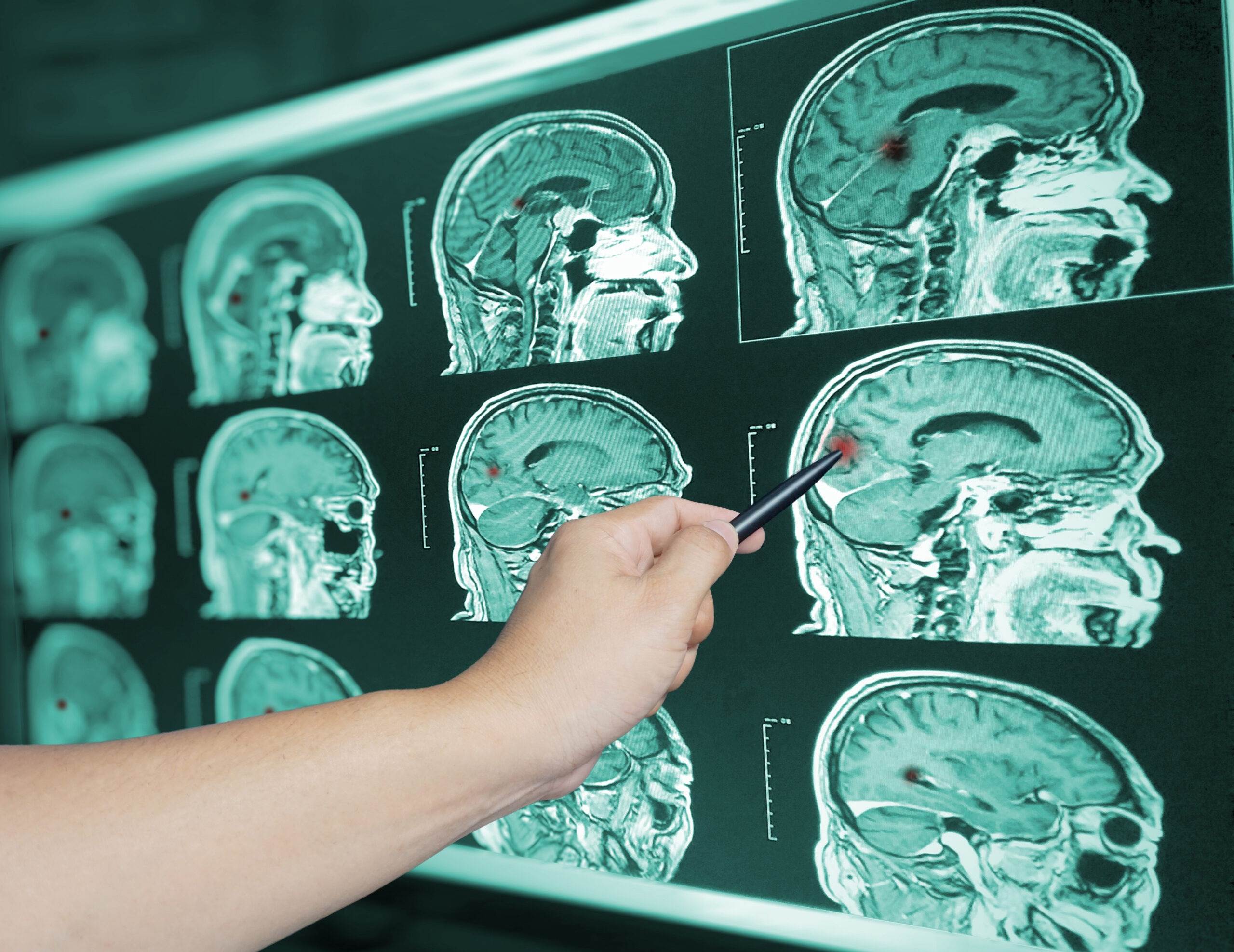
CT scans and MRIs can help doctors identify bleeding, bruising, swelling, or other visible brain trauma. However, normal imaging doesn’t always rule out a concussion or mild traumatic brain injury.
If symptoms continue, a neurologist or brain injury specialist may recommend neuropsychological testing. These tests measure memory, attention, problem-solving, processing speed, and language skills, giving doctors objective information about how the injury affects brain function.
How Do You Prove a Brain Injury Was Caused by an Indiana Car Accident?
You or your lawyer can prove a brain injury was caused by an Indiana car accident by using medical records, crash evidence, testing, and symptom documentation to connect the collision to your diagnosis.
The goal is to show that the other driver’s negligence caused the crash and that the crash caused your TBI symptoms. An insurance company may question timing, prior health history, or gaps in treatment, but strong documentation helps close those gaps and create a clear timeline.
Key evidence includes:
- Medical Records: ER records, follow-up visits, specialist notes, diagnostic tests, and treatment plans can show when symptoms began and how doctors connected them to the crash.
- Police Report: The Indianapolis Metropolitan Police Department or another local agency’s report may include fault details, witness information, citations, and a crash diagram.
- Neuropsychological Testing: These results can show memory, attention, processing speed, or problem-solving problems in a measurable way.
- Symptom Journal: Daily notes about headaches, memory lapses, mood changes, sleep problems, or focus issues can show how the injury affects everyday life.
Why Do Insurance Companies Downplay Delayed Traumatic Brain Injury Symptoms?
Insurance adjusters are trained to resolve claims for the lowest possible amount. They know delayed traumatic brain injury symptoms can affect accident victims across Indiana, but they also know these symptoms can be harder to prove than a broken bone. This gives them room to question your claim and protect their company.
After you report an accident, an adjuster may contact you quickly. They might seem friendly and helpful, but their job is to gather information that can be used to limit their company's liability.
Be mindful of their common approaches, such as pushing for a recorded statement before you have had time to fully understand your injuries. Anything you say in this statement can be used against you later.
The insurance adjuster will also be looking for any inconsistencies in your story or any gaps in your medical care to build a case for denial.
Common methods used to reduce TBI claims include:
- Offering a Quick Settlement: The adjuster may offer a fast payment, hoping you will accept it before the true extent of your TBI and your need for future medical care becomes clear.
- Using a Gap in Treatment Against You: If you waited a week or two to see a doctor because you thought the symptoms would go away, the insurer can argue that something else must have caused your injury during that time.
- Requesting an Independent Medical Examination: In a lawsuit, the insurer may ask you to attend a medical exam with a doctor they selected. These reports often favor the insurance company.
- Challenging Your Symptoms: The adjuster might downplay your reported difficulties with concentration or memory, framing them as subjective complaints without an objective basis.
How Can an Attorney Help Resolve a TBI Claim in Indianapolis?
An Indianapolis TBI attorney can handle every aspect of your claim, from conducting an investigation to handling the insurer in order to put your claim in the best possible position for negotiations.
Successfully navigating a traumatic brain injury claim requires a proactive strategy. The goal is to build a case so thoroughly documented that the insurance company has a clear incentive to offer a fair settlement.
Calculating the Full Scope of Your Damages
A settlement should account for the full impact of the TBI, not just the medical bills you have already received. This may include future treatment, ongoing therapy, lost earning ability, and any permanent impairment rating that helps show the long-term effect of the injury.
Managing Communication With the Insurer
Once you have legal representation, all communication with the insurance company goes through your attorney. This protects you from saying something accidentally that could harm your claim.
Your lawyer handles negotiations, responds to information requests, and protects your rights throughout the process.
Filing a Lawsuit Before the Deadline
In Indiana, you generally have two years from the date of the accident to file a personal injury lawsuit. This is known as the statute of limitations. If you fail to file within this period, you may lose your right to recover any compensation. An attorney manages these deadlines to keep your claim on track.
FAQ for Traumatic Brain Injury Symptoms
Can a TBI Get Worse Over Time?
The effects of a traumatic brain injury can evolve over time. Some individuals experience a resolution of symptoms within a few weeks, while others may develop post-concussion syndrome, where symptoms persist or even worsen months later, requiring long-term care.
Can I Reopen an Indianapolis Car Accident Claim if TBI Symptoms Appear Later?
It’s often impossible to reopen a claim after you have signed a final settlement agreement. That is why accepting a quick settlement before you fully understand your medical condition can be risky.
What Should I Do if I Suspect I Have Delayed Traumatic Brain Injury Symptoms?
If you experience any new cognitive, physical, or emotional symptoms following a car accident in Indianapolis, seek a medical evaluation immediately.
Describe your symptoms to a doctor and explain that you were recently in a car accident. This creates a medical record that documents the connection.
What Kind of Doctor Treats a Traumatic Brain Injury After an Indianapolis Car Accident?
After sustaining a head injury in a car crash, your primary care physician is a good starting point, but they’ll likely refer you to a neurologist, a physiatrist (rehabilitation doctor), or a neuropsychologist. These professionals have specialized training in diagnosing and managing the effects of a TBI.
How Can a Minor Car Accident Cause a Serious Brain Injury?
The forces involved, even in a low-speed collision can cause the brain to move violently inside the skull. This rapid acceleration and deceleration can stretch and damage brain cells, leading to a concussion or other traumatic brain injury, even without a direct blow to the head.
Talk With an Indianapolis TBI Lawyer Today
A brain injury can affect nearly every part of your life, especially when symptoms continue long after the accident. An experienced Indianapolis TBI attorney can help gather medical evidence, handle the insurance process, and pursue compensation that reflects the full impact of the injury.
At Vaughan & Vaughan, our family has been helping injured people across Indiana for generations. We understand how a brain injury can affect you and your family, and we’re here to provide clear guidance.
If you have questions about your rights after an auto accident in Indiana, contact us at (765) 742-0056 or fill out our online contact form for a free consultation.

Managing Attorney & Owner