Who Is Usually at Fault in a Head-On Collision?
In most head-on collisions, the driver who crossed the center line or drove the wrong way is at fault. Both drivers can share blame.
In Evansville, IN, the driver who leaves their lane and crosses into oncoming traffic is usually the one at fault for a head-on collision. Since two vehicles strike front to front, the central question is simple to ask but harder to answer: which driver was where they should not have been?
Head-on crashes are among the deadliest wrecks on the road, so getting that answer right carries real weight. But head-on collisions are not always one driver’s fault alone, and a small share of blame can affect your compensation in a personal injury claim.
Fault in these crashes turns on evidence more than on either driver’s story. Skid marks, vehicle debris, and the point of impact often reveal who crossed the line. An Evansville personal injury law firm can preserve that proof and challenge an inaccurate fault finding.
Key Takeaways for Fault in an Evansville Head-On Collision
- Fault in a head-on collision usually rests with the driver who crossed the center line or drove the wrong way.
- Indiana’s comparative fault rule can split blame between drivers and reduce or bar a recovery.
- Wrong-way driving, unsafe passing, impairment, and distraction often cause head-on crashes.
- Physical evidence, like the point of impact and skid marks, often proves fault better than driver statements.
- A driver found more than 50% at fault in Indiana recovers nothing, which makes an accurate fault finding critical.
How Is Fault Decided in an Evansville Head-On Collision?
Investigators determine fault in an Evansville head-on collision by matching physical evidence to Indiana’s traffic laws and comparative fault rule. Insurers and attorneys then examine where each vehicle was at the moment of impact. The driver who violates a traffic law by leaving their lane usually carries most or all of the blame.
Indiana law requires drivers to stay on the right half of the roadway except in limited situations like legal passing. A driver who drifts across the center line, enters a highway ramp the wrong way, or crosses into oncoming traffic while passing illegally breaks that duty. That violation becomes the backbone of a fault argument.
Fault is not always all-or-nothing. Under the Indiana Comparative Fault Act, a factfinder can assign each driver a percentage of blame, and an injured person’s recovery drops by their share. A driver found more than 50% at fault recovers nothing at all.
Since a few percentage points can decide a case, both sides fight hard over exactly how the fault is split.
What Usually Causes a Head-On Collision?
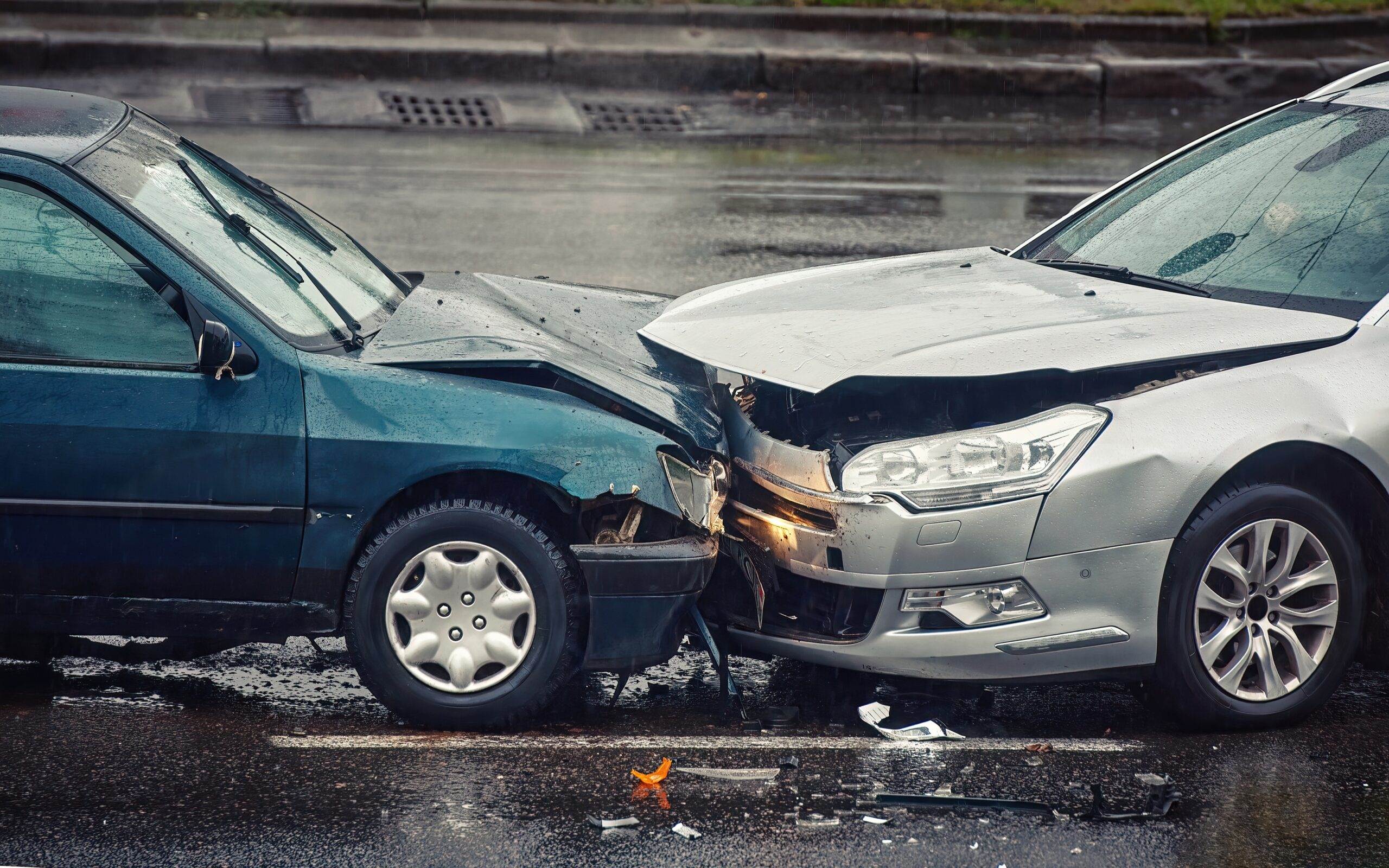
Head-on collisions usually happen when a driver ends up in the wrong lane, and the reason they got there points straight to fault. These crashes are less common than rear-end wrecks, but they cause serious injuries because both vehicles are often moving toward each other.
From US 41 to the two-lane county routes in Vanderburgh and Warrick counties, a single lane departure can turn deadly.
Most head-on crashes trace back to a handful of driver choices and conditions that a claim will examine closely:
- Wrong-Way Driving: A driver enters a highway ramp or a divided road going the wrong direction, often at night or after drinking.
- Unsafe Passing: A driver tries to pass on a two-lane road without enough clear distance and collides with a car coming the other way.
- Impaired Driving: Alcohol or drugs slow reaction time and affect lane position, increasing the risk of crossing the centerline.
- Distraction and Drowsiness: A driver looking at a phone or fighting fatigue can drift across the center line before correcting the mistake.
Each of these causes can leave a trail in the crash report, toxicology results, phone records, or other evidence. Identifying the cause early shapes the fault case that follows.
What if the Other Driver Says They Had To Cross the Center Line?
Crossing the center line doesn’t always make a driver automatically liable. A driver might argue that a sudden emergency forced them into oncoming traffic, such as avoiding debris, reacting to another vehicle, or losing control because of an unexpected road hazard.
But that explanation doesn’t end the fault analysis. The key question is whether the driver acted reasonably before and during the emergency. If speeding, distraction, impairment, or another careless choice helped create the danger, the emergency argument becomes much weaker.
The details surrounding the lane departure matter. Evidence can show whether the driver had another safe option or whether their own actions made the crash more likely.
Important facts can include:
- Road Conditions: Investigators can examine weather, visibility, pavement conditions, and any hazards in the roadway.
- Driver Conduct: Phone records, witness accounts, and toxicology results can show whether distraction or impairment played a role before the vehicle crossed the line.
- Vehicle Movement: Skid marks, steering data, and the point of impact can help show when the driver reacted and whether they tried to avoid the collision.
- Other Vehicles: Dashcam footage and witness statements can confirm whether another driver actually forced the vehicle out of its lane.
A claimed emergency can complicate a head-on collision case, but it doesn’t erase fault. The evidence still has to show why the driver crossed the center line and whether their response was reasonable under the circumstances.
What Evidence Proves Fault in a Head-On Collision?
Crash-scene evidence, vehicle damage, and witness accounts can prove fault in a head-on collision. Since these crashes often come down to which car entered the wrong lane, physical proof usually speaks louder than either driver’s memory. An Evansville head-on collision lawyer can gather it before the scene clears and vehicles are repaired.
The strongest fault evidence in these cases tends to fall into a few categories worth understanding:
- The Crash Report: The responding officer’s report can document lane position, road conditions, citations, and other details about the collision.
- Physical Scene Evidence: Skid marks, gouges in the pavement, and the final resting spots of the vehicles can reveal the point of impact and direction of travel.
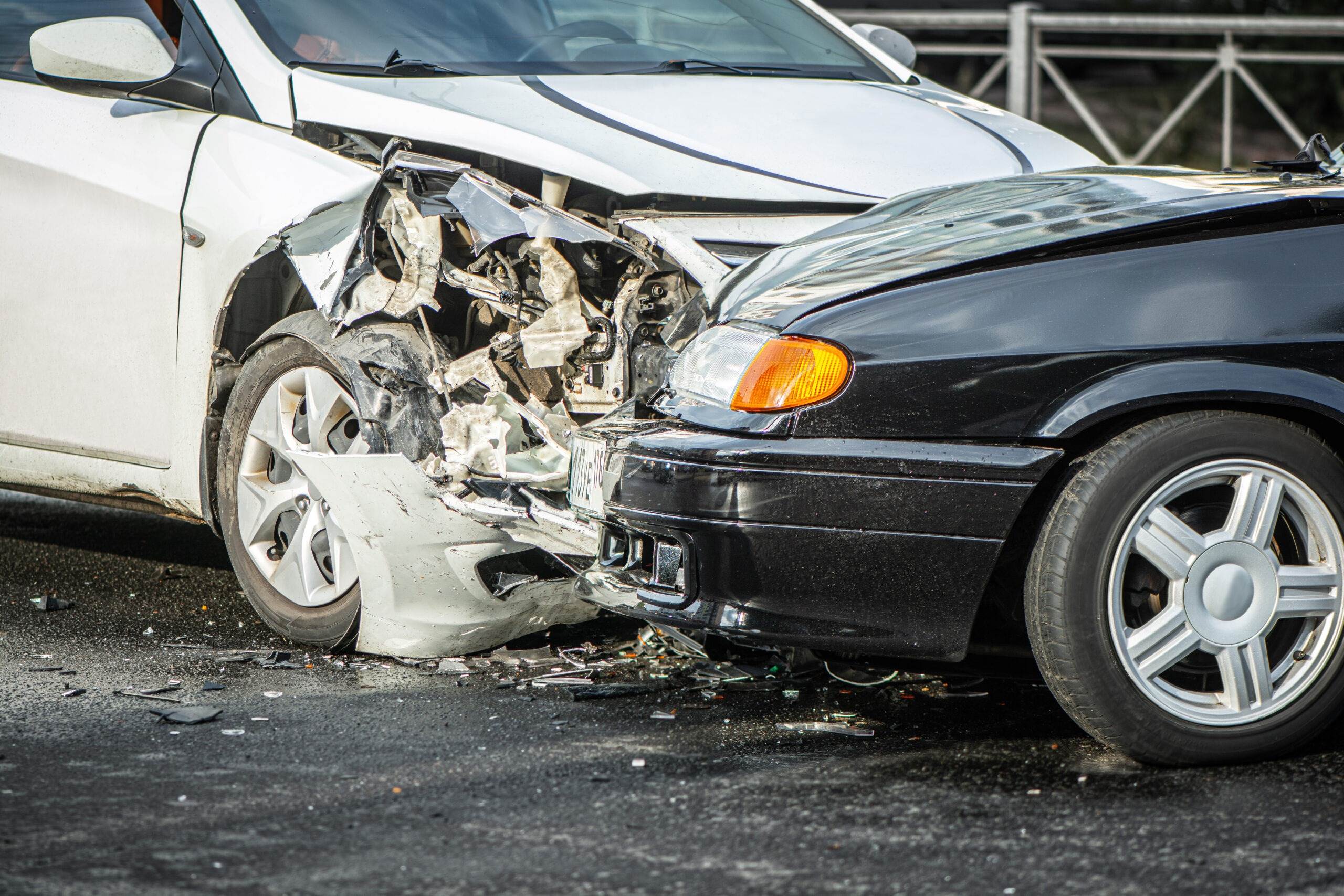
- Vehicle Damage: The pattern and location of the damage help reconstruct the angle of the crash and show which car crossed over.
- Witness and Camera Accounts: Independent witnesses, dashcam footage, and nearby traffic or business cameras can capture a driver drifting or going the wrong way.
When these pieces line up, they can build a clear picture of how the crash happened. Strong car accident claims in Evansville depend on securing that evidence before it disappears.
How a Lawyer Helps After a Head-On Collision in Evansville
An Evansville head-on collision lawyer secures evidence and challenges shared-fault arguments that could reduce or defeat a claim. Head-on crashes cause severe injuries, and the stakes of the fault finding are high, so the insurer has a strong incentive to shift blame. An attorney counters that pressure with proof.
A lawyer can help by:
- Preserving Evidence: Your attorney secures the crash report, camera footage, and vehicle data before they are lost.
- Bringing in Reconstruction: When fault is disputed, your lawyer can use accident reconstruction to show which vehicle crossed the center line.
- Managing the Insurer: An attorney handles calls and requests so an insurer cannot twist a recorded statement into an admission of shared fault.
- Valuing the Full Injury: Your Indiana head-on collision lawyer documents the full extent of harm, from surgery to future care, so the claim reflects the losses tied to the crash.
Car Accident Cases We Handle in Evansville
Head-on collisions are one of the most serious crashes we see in Evansville. The car accident cases we handle in Evansville also include rear-end wrecks, intersection crashes, distracted driving collisions, and cases where fault is disputed.
FAQ for Fault in an Evansville Head-On Collision
Who Is at Fault if Both Drivers Say the Other Crossed the Line?
When both drivers blame each other in an Evansville head-on collision, physical evidence can show which vehicle crossed the line. The point of impact, skid marks, debris patterns, and vehicle damage can reveal where each car was before the crash.
Independent witnesses and camera footage can also help resolve conflicting accounts when the drivers tell different stories.
Can I Recover Damages if I Was Partly at Fault for the Crash?
You can recover damages if you were partly at fault, as long as your share stays at 50% or less under Indiana law. Your recovery drops by your percentage of blame. If a judge or jury finds you more than 50% at fault, Indiana’s comparative fault rule bars recovery entirely. That makes the fault percentage especially important in a disputed head-on collision claim.
How Do I Protect an Evansville Car Accident Claim?
You protect an Evansville car accident claim by preserving evidence and getting medical care for your injuries. Photos of the vehicles, road, lane positions, and debris can help show how the crash happened.
Police reports, witness information, and camera footage can also support fault, while your medical records connect your injuries to the collision and document the treatment you need.
Does a Wrong-Way Driver Automatically Take All the Blame?
A wrong-way driver usually carries most of the blame, but Indiana law doesn’t automatically assign 100% fault based on that fact alone. The evidence still matters, and the other driver’s actions can become part of the comparative fault analysis.
Speed, distraction, or a failure to react can all become issues if the insurer argues that both drivers contributed to the crash.
What Is the Filing Deadline for an Evansville Head-On Collision Claim?
Indiana usually gives you two years from the date of the crash to file a personal injury lawsuit. If you miss that deadline, the court can bar your claim. That makes it important to track the date early, especially while you’re still gathering medical records and other evidence.
Talk to an Evansville Head-On Collision Lawyer
A head-on crash can raise difficult questions about lane position, shared fault, and the full cost of your injuries. Those issues matter when an insurer tries to reduce what it has to pay out on your claim.
Vaughan & Vaughan handles serious collision claims throughout Evansville and southern Indiana. Call our Evansville head-on collision attorneys at (765) 742-0056 or use our online form to discuss your case for free.